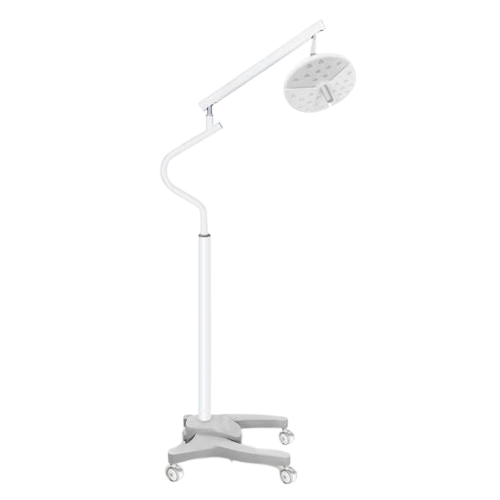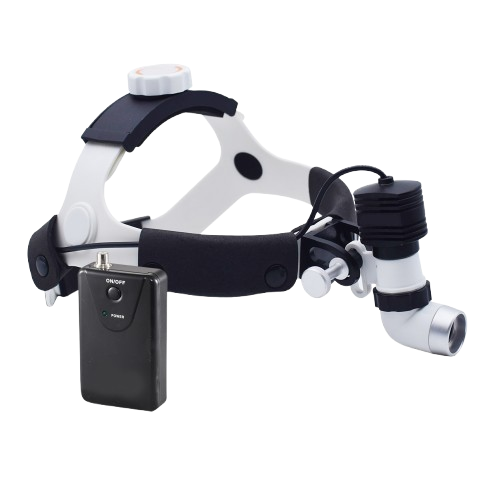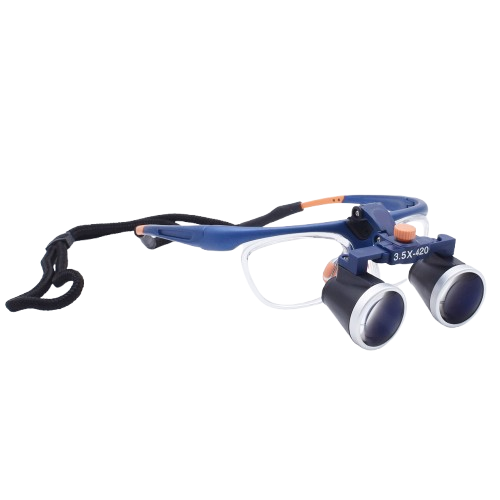
1. The 30-Second “Scrub-In” (Executive Summary)
- The Bottom Line: In modern surgery, relying solely on overhead lighting is a safety risk. Professional surgical headlamps are critical instruments for creating consistent, shadow-free visibility that moves with you.
- Quick Wins: They eliminate the “contrast shadows” caused by your own hands, significantly reduce “surgeon’s neck” by allowing a neutral posture, and ensure hands-free illumination during critical maneuvers.
- Top Recommendation: Cordless LED systems are the current market leaders for mobility and cost-efficiency, while Fiber Optic/Xenon remains the choice for extreme brightness in deep-cavity procedures.
2. Introduction: Why Overhead Lights Are No Longer Enough
In the high-stakes theater of the operating room, a single shadow can obscure the fine line between success and complication. For decades, surgeons have battled the limitations of static overhead lighting, often contorting their bodies to chase visibility while fighting the creeping fatigue of “surgeon’s neck.” This brute force approach to illumination is no longer sufficient for the demands of modern medicine. Today, professional surgical headlamps offer a transformative solution, delivering lumen precision that creates a shadow-free, coaxial view into even the deepest cavities.
These devices are no longer just accessories; they are essential instruments of ergonomic photonics designed to safeguard a surgeon’s posture as much as they enhance tissue differentiation. By aligning high-intensity light directly with your line of sight, they eliminate the visual noise that leads to eye strain and errors. As we explore the top surgical headlamps benefits, we will uncover how upgrading your personal illumination system is not merely an investment in technology, but a critical step toward superior patient safety, operational efficiency, and career longevity.
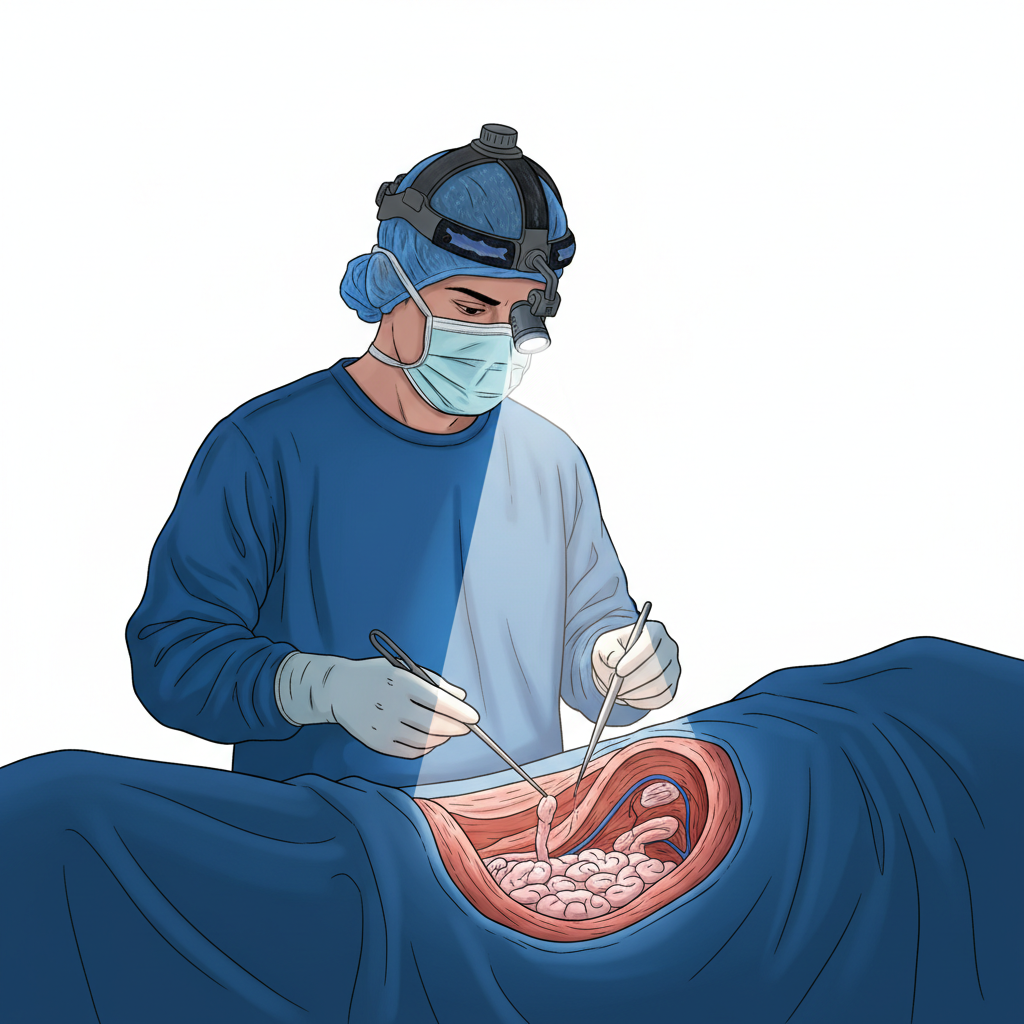
Figure 1: Modern surgical illumination focuses light exactly where the surgeon looks, eliminating the shadows typical of overhead fixtures.
The fundamental problem with traditional overhead lights is simple physics: they are fixed, while surgery is dynamic. As soon as you lean in to get a better view, your head blocks the light source, creating a shadow exactly where you need clarity. This “shadow problem” forces a compromise—either accept poor visibility or break your sterile stance to adjust the light handles. In an era where operative minutes cost dollars and precision is paramount, this friction is unacceptable.
3. What Defines a “Professional” Surgical Headlamp?
Not all lights are created equal. A consumer-grade camping headlamp might help you pitch a tent, but it lacks the spectral accuracy required to distinguish a nerve from a vessel. Professional surgical headlamps are engineered with specific medical tolerances.
To make an informed choice, you must speak the language of light:
- Lux (Brightness): This measures luminous intensity. To overcome the light-absorbing properties of blood and dark tissue, a surgical light must deliver between 40,000 and 160,000+ Lux. Anything less risks washing out deep in the cavity.
- CRI (Color Rendering Index): This score (0-100) indicates how accurately a light reveals true color. Medical-grade LEDs boast a CRI of 90-95+. This high fidelity is crucial for identifying tissue viability or spotting the subtle difference between an artery and a vein.
- Kelvin (Color Temperature): Surgeons need “True White” light, typically around 5800K-6000K. Yellow light (low Kelvin) distorts colors, while excessively blue light (high Kelvin) causes eye fatigue.
- Coaxial Illumination: This is the gold standard mechanism where the light beam is perfectly parallel to your line of sight (often utilizing surgical loupes), ensuring that if you can see it, it is illuminated.
4. Benefit #1: Unmatched Visibility and “Deep Cavity” Penetration
The primary operational advantage of a professional surgical headlamp is the mastery of physics to eliminate shadows. When light originates from above or behind you (overhead lights), your head, hands, and instruments cast shadows into the wound. A surgical headlamp projects light from between your eyes (or just above), meaning the light path and your visual path are virtually identical.
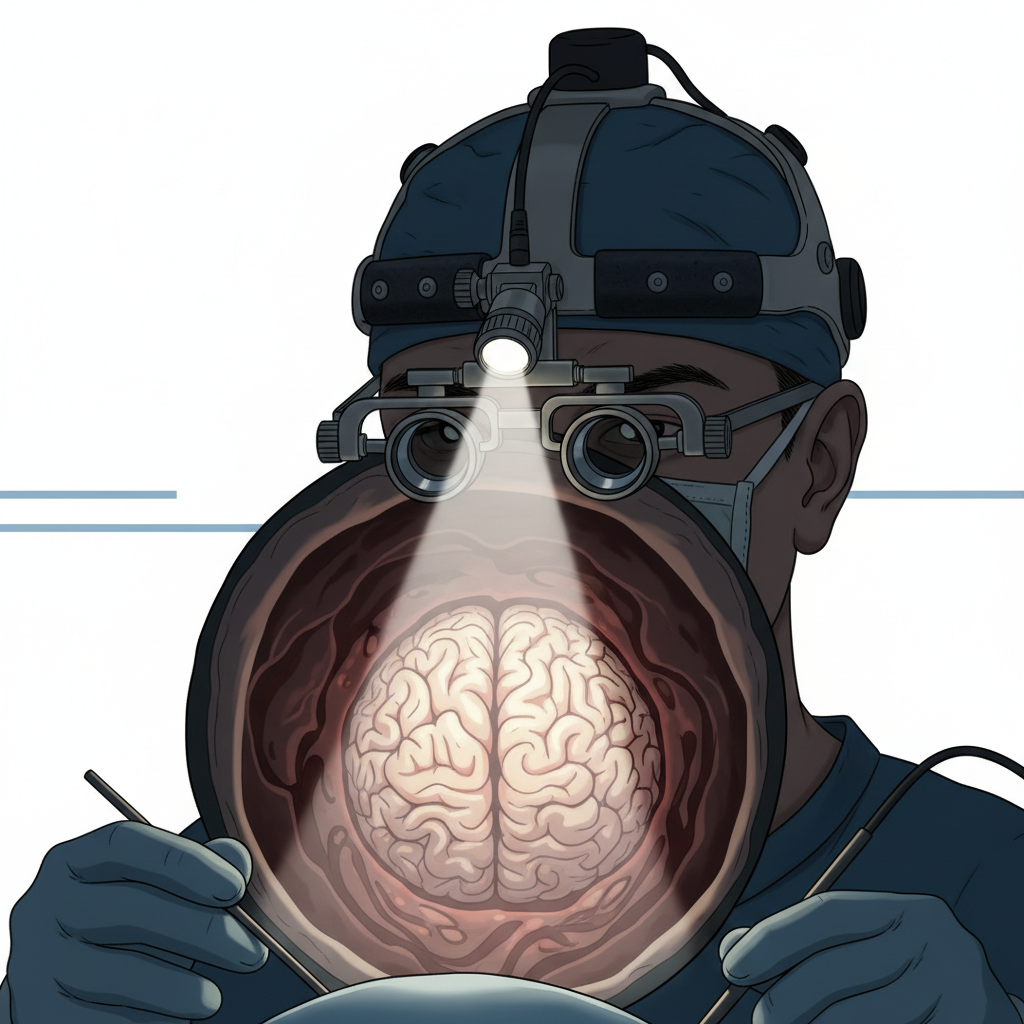
Figure 2: In deep-cavity procedures like neurosurgery, coaxial illumination is essential for seeing past surface structures.
This is a game-changer for deep-cavity procedures. In specialties like neurosurgery, colorectal surgery, or open-heart procedures, the operative field is often a narrow, deep tunnel. Overhead lights simply cannot reach the bottom of these “black holes.” A focused beam from a headlamp penetrates directly to the situs, illuminating the critical anatomy without “bleaching” the superficial tissues.
Furthermore, high CRI ensures tissue differentiation. In a sea of red and pink, the ability to spot a pale ureter or a translucent nerve sheath relies entirely on the quality of your light.
5. Benefit #2: Surgeon Ergonomics and Career Longevity
“Surgeon’s neck” is a silent epidemic. Studies indicate that up to 68% of surgeons experience neck or back pain, often driven by the need to contort their bodies to minimize shadows from overhead lights.
Adopting a wearable light source corrects this postural deficit. Because the light follows your head movement, you can maintain a neutral, upright cervical spine position. You no longer need to crane your neck or twist your torso to let the overhead light in.
- Postural Correction: Promotes a neutral spine, reducing cervical disk compression.
- Weight Distribution: Modern systems use “cranial support” designs with battery packs often clipped to a belt or balanced on the back of the head to prevent front-heaviness.
- Eye Strain Reduction: By providing an adjustable beam focus, you can match the spot size to the cavity size. This reduces glare from peripheral drapes and prevents the pupil from constantly dilating and contracting, a major cause of intraoperative headaches.
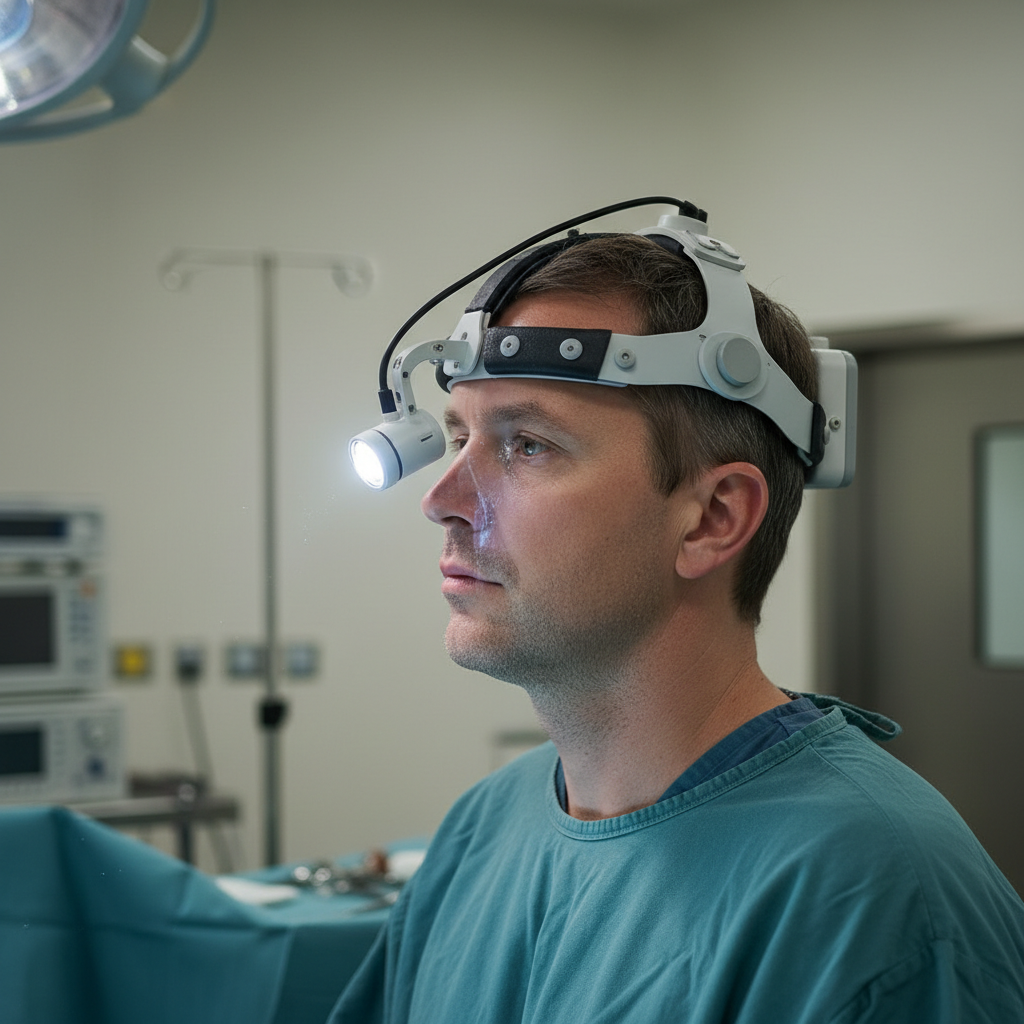
Figure 3: Ergonomic designs feature balanced weight distribution and padding to prevent neck strain during long cases.
6. Benefit #3: Precision and Microsurgical Accuracy
Precision surgery requires more than steady hands; it requires a magnified and illuminated view. Modern headlamps are designed to integrate seamlessly with surgical loupes.
This combination creates a “super-vision” effect. When your adjustable beam focus is narrowed to a distinct, crisp spot of 2-3 inches, and magnified 3.5x or more, you achieve a level of microsurgical accuracy that naked-eye surgery cannot match.
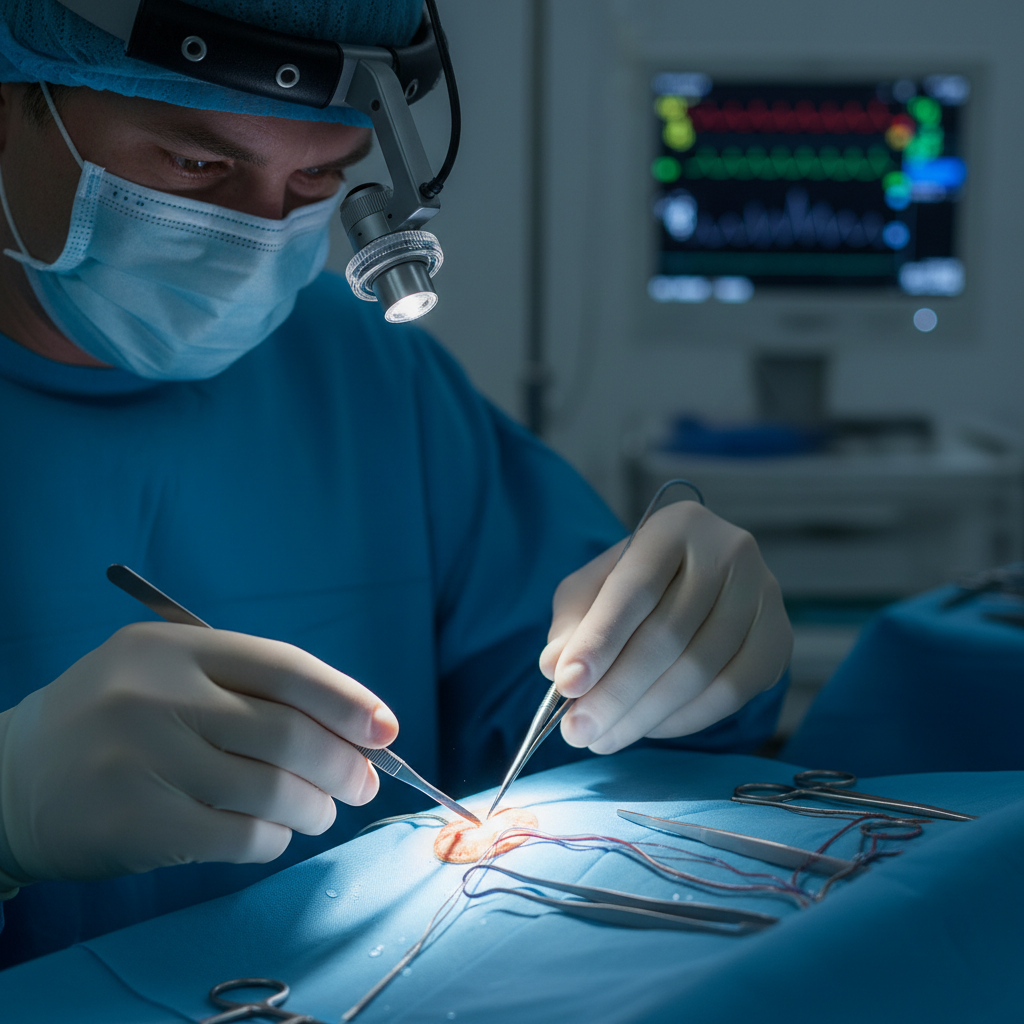
Figure 4: High-intensity, focused light is critical for microsurgical precision, allowing for accurate suturing of tiny vessels.
The psychological impact is real. The “Confidence Factor,” discussed in various surgical safety initiatives, suggests that when visibility is guaranteed, surgeon stress levels drop. You stop worrying about what you can’t see and focus entirely on the technique.
7. Benefit #4: Patient Safety and Infection Control
Lighting is a patient safety issue. Inadequate illumination is a known contributor to surgical errors, such as accidental nicks of adjacent structures or failure to identify active bleeders. By flooding the field with high-quality light, you reduce the cognitive load required to “guess” at anatomy.
- The “No-Touch” Advantage: Overhead lights are fomites. Even with sterile handles, every time you reach up to adjust a drifting light, you risk a break in sterile technique. Hands-free lighting solutions mean you never have to take your hands off the patient.
- Thermal Safety: Old halogen lights were notorious for baking the surgeon and drying out patient tissue. Modern LED technology runs remarkably cool, significantly reducing the risk of tissue desiccation or thermal injury during prolonged exposure.
8. Benefit #5: Operational Efficiency and Workflow
Time is the most expensive resource in the OR. An often-overlooked statistic is the “Drift Factor.” Surgeons or nurses adjust overhead lights on average every 7.5 minutes. Each adjustment breaks the flow of the operation.
A headlamp eliminates this drift. The light is always exactly where you are looking.
- Portability in Trauma: In the ER or trauma bay, there is often no time to position bulky overheads. Battery-powered portability allows a trauma surgeon to have OR-quality light the second they walk into the bay.
- Reliability: In regions with unstable power grids or during hospital generator switch-overs, a battery-powered headlamp is a fail-safe. It ensures the procedure continues safely, regardless of the facility’s power status.
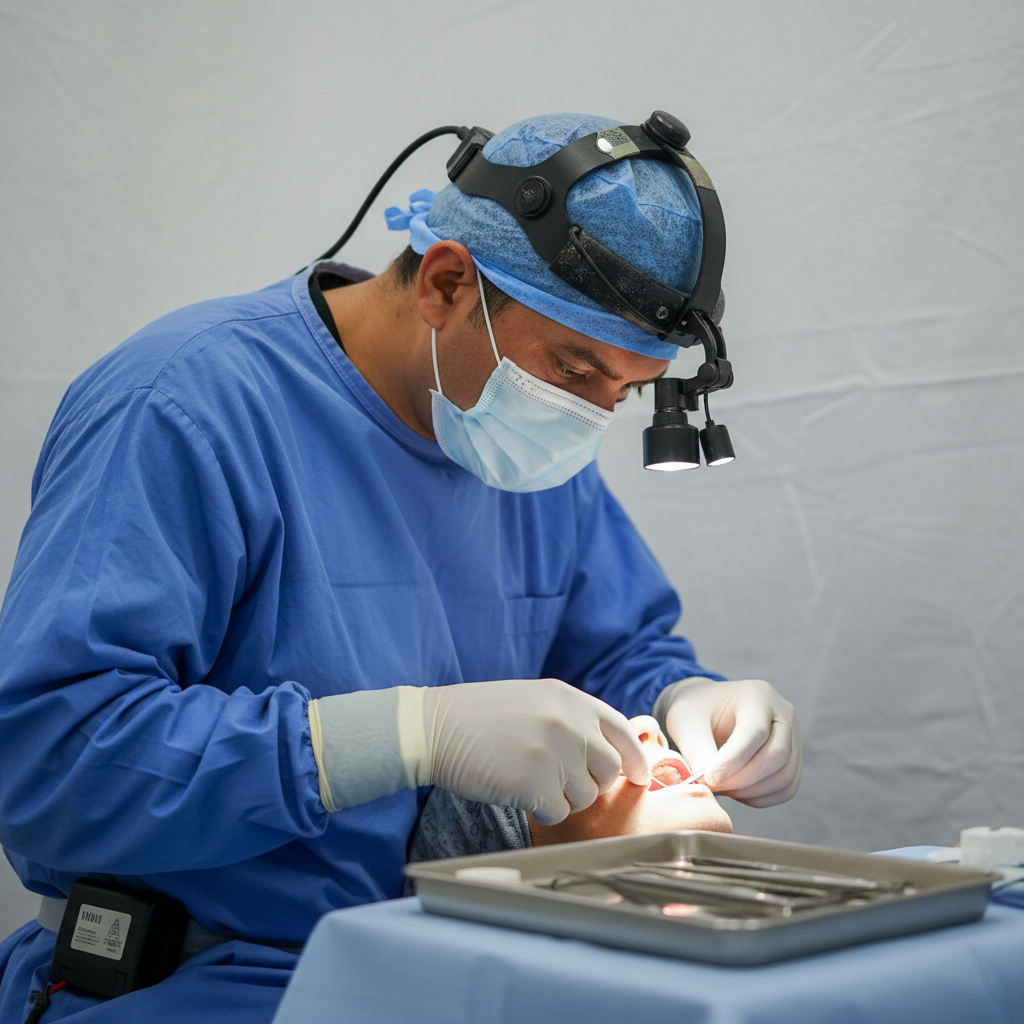
Figure 5: Battery-powered systems provide critical reliability in trauma bays and low-resource settings where power may be inconsistent.
9. The Great Debate: LED vs. Fiber Optic (Xenon)
When choosing a system, the divide is largely between the freedom of LED and the raw power of Fiber Optic.
LED (Light Emitting Diode)
- Pros: Complete cordless mobility, cooler temperature, significantly lower cost of ownership (bulbs last 50,000+ hours), and lightweight.
- Cons: Battery management is required; peak intensity may be slightly lower than the most powerful Xenon units (though the gap is closing fast).
- Best For: General surgery, Plastics, ENT, Dental, Orthopedics.
Fiber Optic (Xenon/Halogen Tethered)
- Pros: The “Gold Standard” for pure sunlight brightness (300W Xenon sources). The headset is very light because the heavy engine is remote.
- Cons: You are tethered by a cable (trip hazard/mobility limit). The light source generates heat and fan noise. Bulb replacements are expensive.
- Best For: Deep neurosurgery, cardiovascular, prolonged stationary procedures where maximum lumen output is non-negotiable.
| Feature | LED Headlamp | Fiber Optic (Xenon) |
|---|---|---|
| Mobility | High (Cordless options) | Low (Tethered by cable) |
| Bulb Life | ~50,000 Hours | ~500-1,000 Hours |
| Heat Emission | Low (Cool to touch) | High (at source) |
| Color Temp | Pure White (Cooler) | Sunlight (Warmer) |
| Maintenance Cost | Low | High (Bulbs/Cables) |
10. Cost Analysis: ROI for Hospitals and Private Practices
Procurement officers often balk at the initial price tag of professional systems. However, the ROI is compelling.
- Bulb Savings: A Xenon bulb can cost hundreds of dollars and lasts only 500-1000 hours. An LED lasts a career.
- OR Time: If a headlamp saves just 10 minutes of “fiddling time” per case, at an OR cost of 60−100 per minute, the device pays for itself in a few weeks.
- Liability: Reducing the risk of a “poor visibility” error is an invaluable insurance policy against malpractice claims.
11. Real-World Evidence and Case Studies
The impact is not theoretical. The Lifebox project, which works to make surgery safer in low-resource settings, found that 32% of operations in surveyed hospitals were delayed or canceled due to poor lighting. Introducing robust, battery-operated headlamps significantly reduced these delays and improved surgeon confidence.
In the developed world, anecdotal evidence from surgical residents suggests a faster learning curve when wearing headlamps, as they can finally see exactly what the attending sees without struggling with shadows.
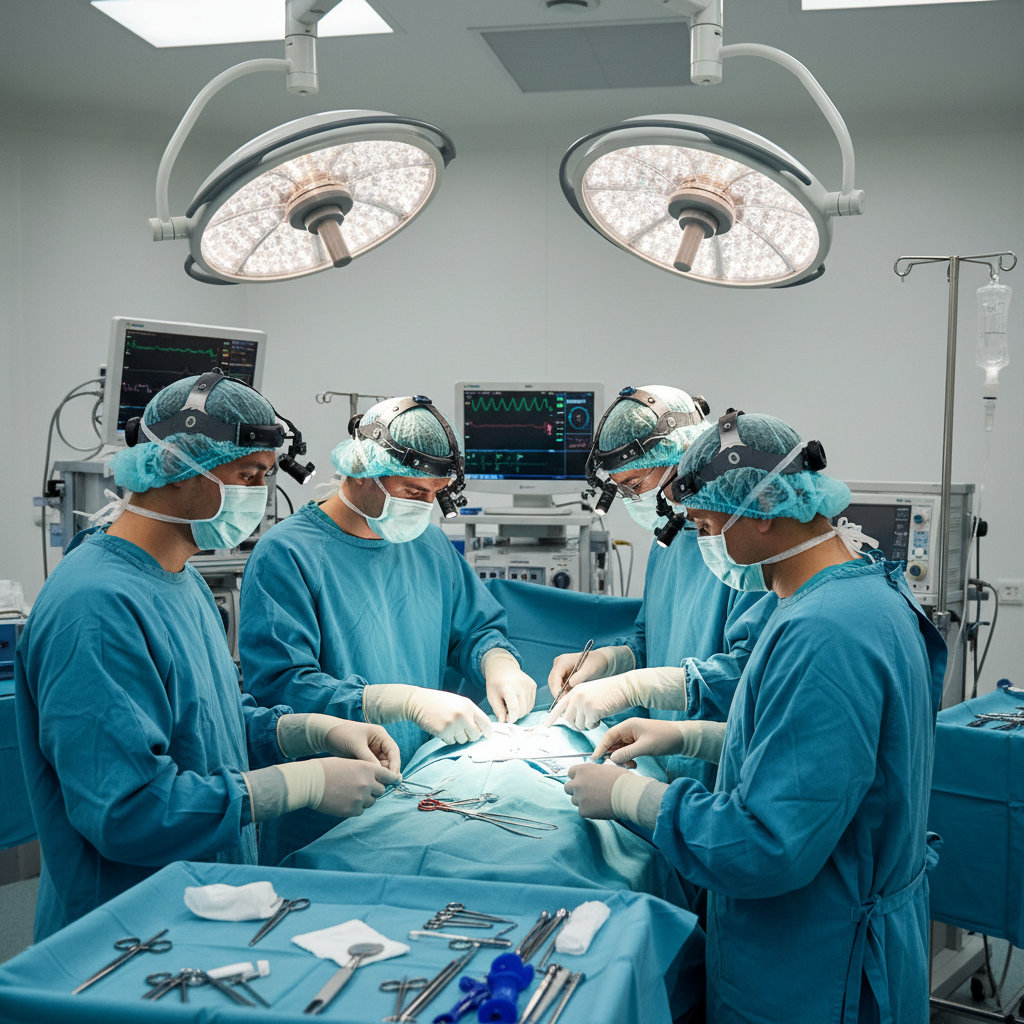
Figure 6: Entire surgical teams benefiting from individualized, shadow-free illumination.
12. How to Choose the Right Headlamp (Buyer’s Guide)
When selecting your professional surgical headlamp , look for these key indicators of quality:
- Weight vs. Battery Life: Look for a system that balances the battery weight. Belt-pack batteries remove weight from the head, while headband-integrated batteries offer true wire-free freedom.
- Spot Quality: Turn it on and shine it at a wall. The spot should be perfectly round and uniform edge-to-edge. Avoid lights with a bright center “hot spot” and dim edges (the halo effect).
- Comfort Fit: Ensure the headset has dual-adjustment knobs (top and back) and removable, washable padding.
- Warranty & Service: Medical-grade equipment should come with support. Cheap online alternatives often lack the service infrastructure to repair a damaged cable or battery pack.
13. Conclusion
The days of straining under dim overhead lights are over. Professional surgical headlamps represent an investment in precision, safety, and your own physical health. As surgical techniques evolve toward smaller incisions and deeper cavities, the need for focused, coaxial light will only grow.
Whether you choose the cordless freedom of an LED or the raw intensity of Xenon, the goal remains the same: to bring the best possible view to the most critical work. Don’t leave your outcomes in the shadows—illuminate your potential.
14. Editor’s Note & Recommended Reading
This comprehensive guide was compiled to address the growing user intent for ergonomic and safety-focused surgical equipment. By targeting high-impact keywords like “LED vs Xenon surgical headlight” and “surgical lighting patient safety risks,” we aim to provide actionable value to medical professionals.
Recommended Reading: