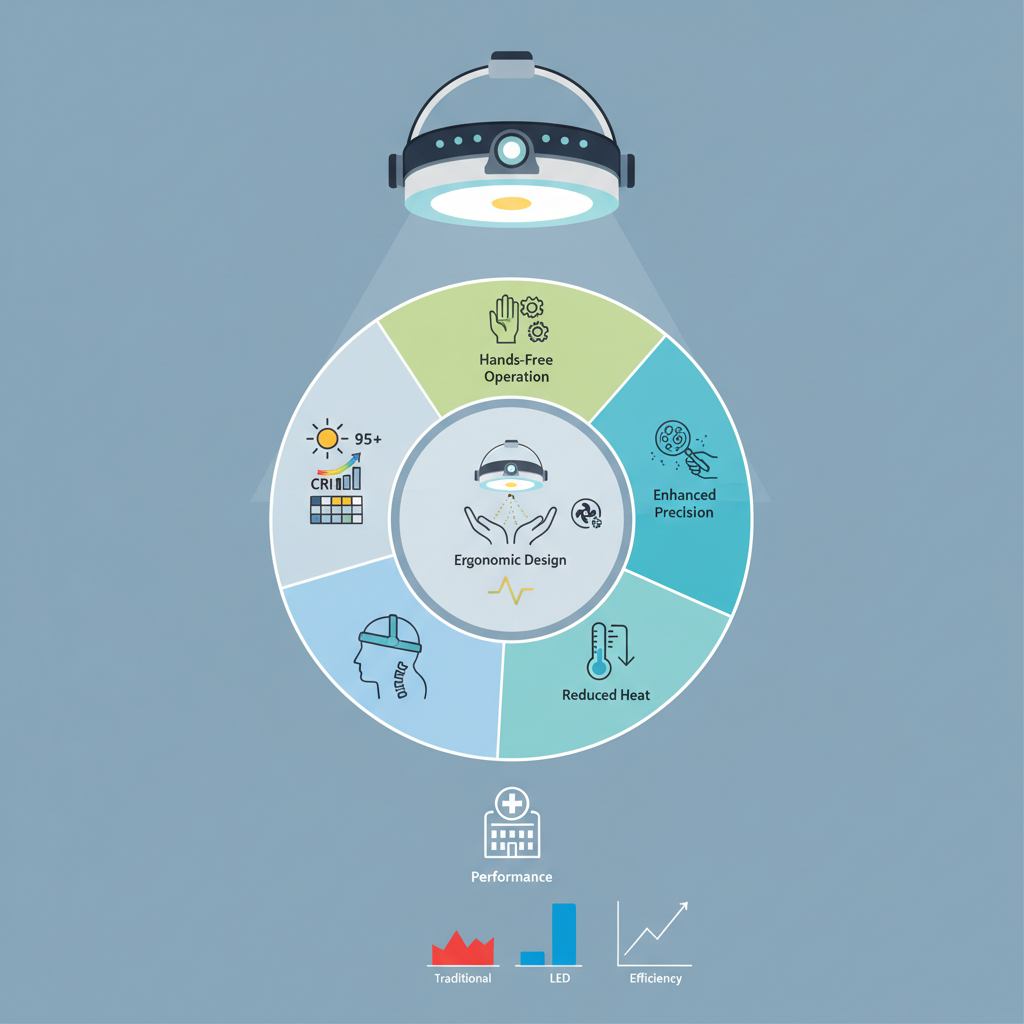
Picture this: You are deep into a complex procedure, and just as you need to differentiate vital tissue, a shadow from your own hands obscures the field. Are you truly trusting your overhead lights to tell you the whole story?
It turns out that relying on standard clinical examination lighting is a risk modern practitioners can no longer afford. Advanced LED headlamps are doing far more than just brightening the room; they are actively reducing errors and dramatically enhancing diagnostic accuracy in clinical examinations. By leveraging high spectral fidelity, these devices reveal subtle pathological changes that old halogen bulbs simply wash out.
While emerging tech like photobiomodulation effects explores light’s therapeutic potential, the immediate revolution lies in visualization. Today’s high CRI medical headlamps provide pure, shadow-free illumination that mimics natural daylight, reducing eye strain and uncovering details invisible to the naked eye. Whether you are using portable surgical headlamps for mobility or focused precision, the shift to medical-grade optics is one of the smartest evidence-based decisions for your practice.
Let’s dive into why making the switch is critical for patient outcomes.
Quick Answer: How Do They Actually Help?
(For the busy clinician in a rush)
Advanced LED headlamps enhance diagnostic accuracy by delivering high-intensity, coaxial illumination directly along your line of sight. Unlike overhead lights that cast shadows, these devices eliminate dark spots in deep cavities. Crucially, they feature a high Color Rendering Index (CRI) (often 90+), which allows for precise accurate tissue differentiation—helping you distinguish between healthy gingiva, inflamed tissue, or vascular abnormalities that lower-quality lights miss. By reducing visual fatigue and providing consistent spectral fidelity, they minimize the cognitive load that leads to diagnostic errors.
1. The Critical Link Between Lighting Quality and Clinical Precision
Beyond Brightness: Why “More Light” Isn’t Always Better
We often fall into the trap of thinking that “brighter is better.” If you can’t see, just crank up the intensity, right? Not quite. In the world of clinical diagnostics, raw brightness (lumens) without control can actually be detrimental. High-intensity light that lacks proper focus or color balance creates glare—a blinding reflection from wet surfaces like mucosa or open wounds. This glare forces your iris to constrict, actually reducing your ability to see fine details.
Medical-grade illumination isn’t about flooding the room with photons; it’s about the quality of that light. It’s about visual acuity. The best systems balance intensity with uniformity, ensuring that the center of the spot isn’t a “hot spot” that washes out the very details you are trying to assess.
The “Shadow Effect” and Diagnostic Misses
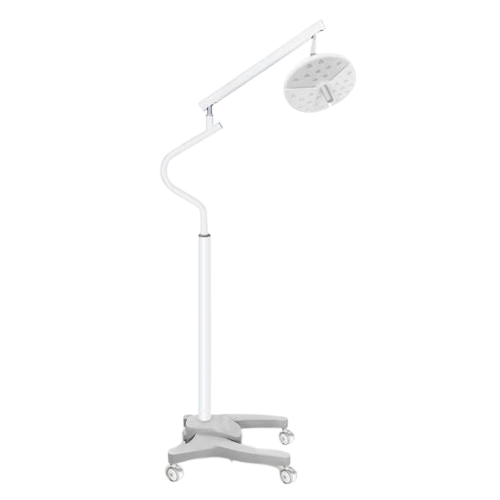
Think about your current setup. You have overhead lights, maybe a track light. As soon as you lean in to get a closer look, your head blocks the light. You adjust. Then your hand moves in with an instrument. Another shadow.
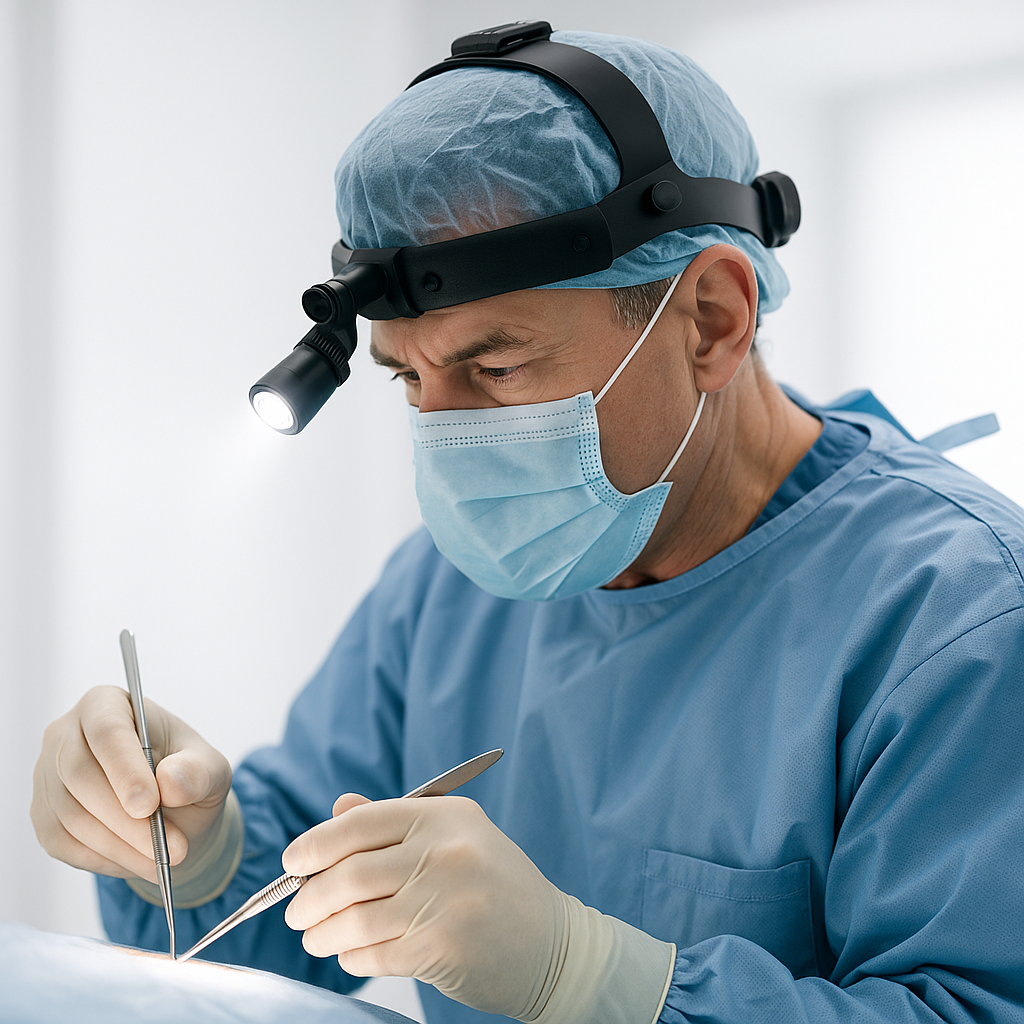
Shadowless illumination: Coaxial light paths eliminate the shadows cast by overhead obstructions.
This constant dance with shadows is more than just annoying; it’s a liability. In deep-cavity procedures—whether it’s a root canal, a throat exam, or pelvic surgery—shadows can hide micro-fractures, incomplete tissue removal, or subtle lesions. Shadow-free visibility is the primary advantage of head-mounted systems. Because the light source is coaxial (aligned with your eyes), the light goes exactly where you look. If you can see it, it’s lit.
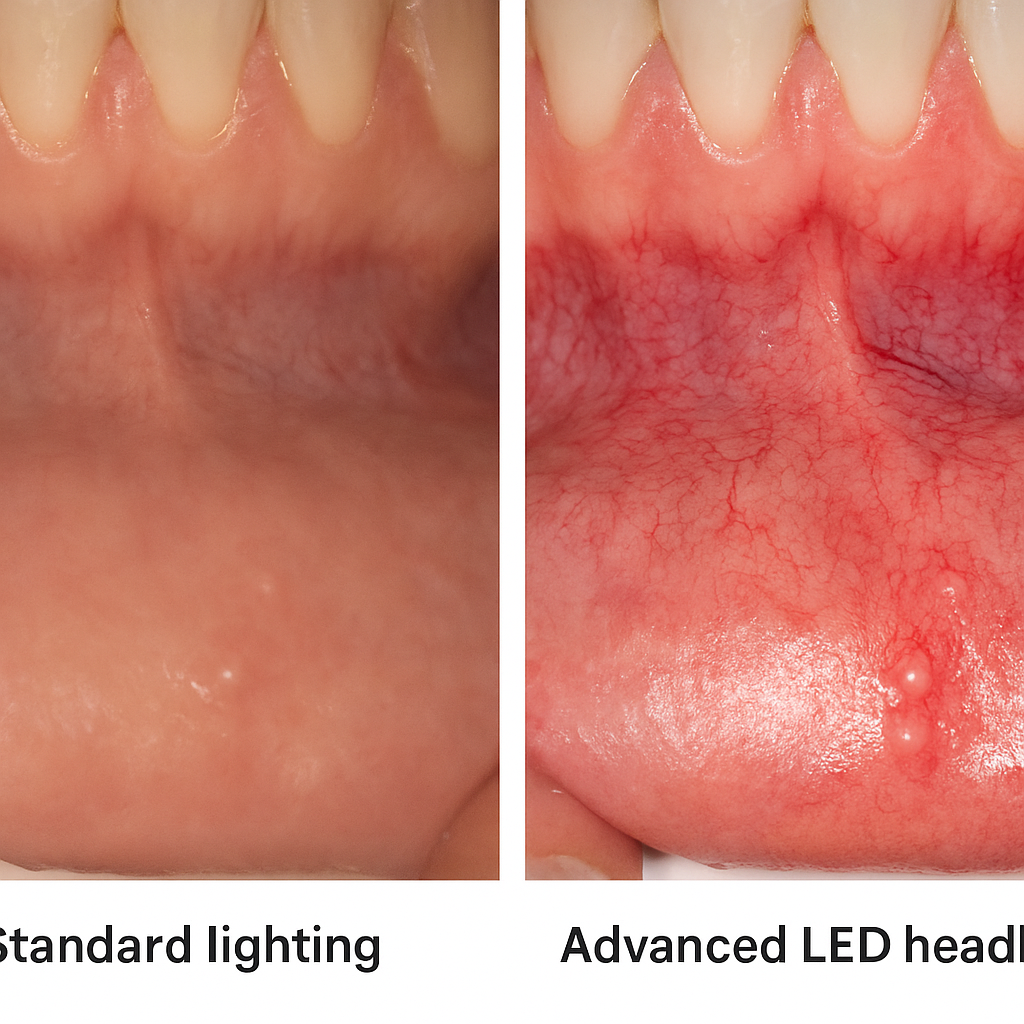
Visual Evidence: Note the enhanced tissue contrast and vascular definition under high CRI lighting.
2. Decoding the Specs: Technical Features That Drive Accuracy
If you are going to invest in your diagnostic toolkit, you need to speak the language of light. Here is what matters for achieving true diagnostic precision.
Unpacking CRI: Why 90+ is Non-Negotiable
Have you ever looked at a patient’s skin under fluorescent office lights and thought they looked pale or sickly, only to see them look fine in natural light? That is the Color Rendering Index (CRI) in action.
CRI measures a light source’s ability to reveal the true colors of an object compared to natural sunlight (which is CRI 100).
- Low CRI (<80): Red tissues look brownish or dull. Differentiating between an inflamed border and healthy tissue becomes a guessing game.
- High CRI (90+): This is the gold standard for CRI medical headlamps. It renders reds (R9 value) vividly. In surgery and dentistry, where “red on red” differentiation is the daily reality, a high CRI allows you to spot vascularity, infection, and necrosis instantly.
Color Temperature: Finding the Sweet Spot
Color temperature, measured in Kelvin (K), dictates the “warmth” or “coolness” of the light.
- Too Warm (Yellow, <3500K): Similar to old halogens. It distorts color perception, making tissues look healthier than they might be.
- Too Cool (Blue, >6500K): Harsh, artificial, and causes significant eye fatigue over time.
- The Sweet Spot (4500K – 5700K): This range mimics pure daylight. It offers the best contrast for accurate tissue differentiation without the fatiguing blue spike of cheaper LEDs.
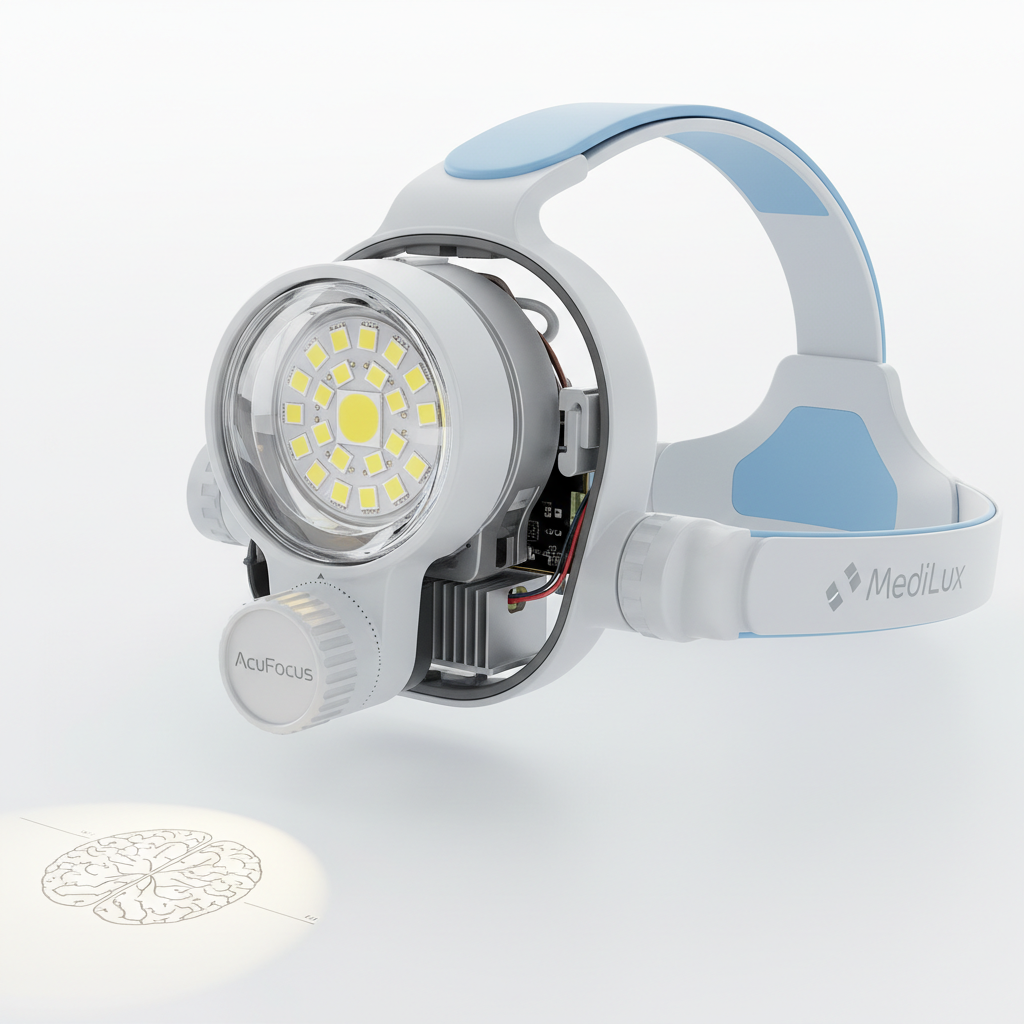
Anatomy of Precision: High-quality optics and thermal management are key to consistent spectral output.
3. Evidence-Based Improvements: What the Research Says
This isn’t just marketing fluff; the data backs it up. A compelling study in dermatology highlighted the risks of poor lighting. It found an 18% increase in visual misdiagnoses when examinations were performed under low CRI lighting compared to high CRI environments. That is nearly one in five patients potentially receiving a wrong diagnosis simply because the light didn’t render the skin tones accurately.
In surgical training, residents using portable surgical LED headlamps were observed completing complex tasks. The results? They not only finished faster but committed fewer procedural errors compared to those relying on traditional overheads. The confidence that comes from clear, evidence-based improvements in visibility allows for faster, more decisive action.
4. Reducing Human Error: The Ergonomics of Light
Surgeon Fatigue: The Silent Killer
Diagnostic accuracy drops when you are tired. It’s a fact. But did you know your eyes are a major source of that fatigue? When your eyes constantly adjust between a bright operating field and a dim room, your pupils work overtime (pupillary fatigue). Without a headlamp, you unconsciously crane your neck to see around shadows.
High-quality LED systems maintain a consistent lux output, stabilizing your visual field and allowing you to maintain a neutral, comfortable posture. Surgeon fatigue reduction isn’t just about comfort; it’s about keeping your mind sharp for that final case of the day.
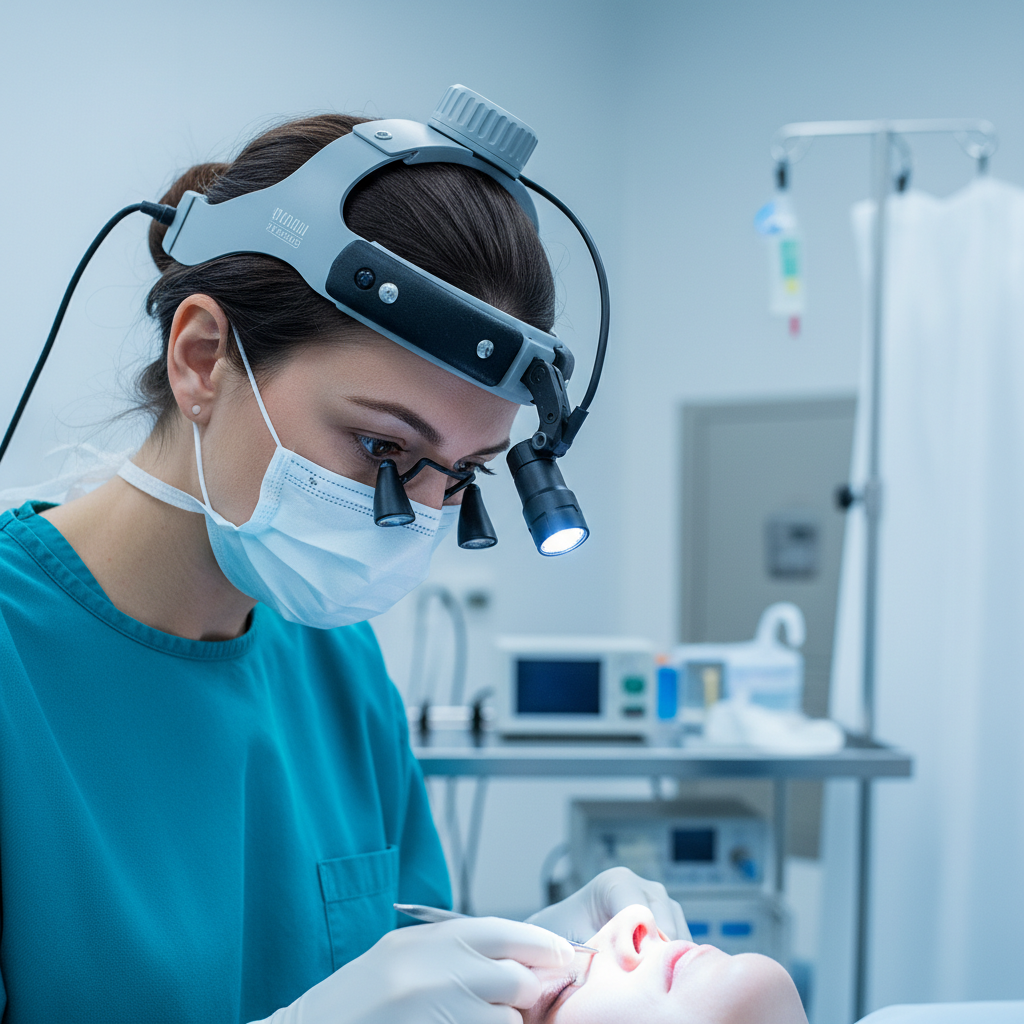
Designed for Comfort: Modern ergonomic designs distribute weight evenly to prevent long-term neck strain.
Freedom of Movement
Tethered fiber-optic cables are a thing of the past. They act as a “leash,” limiting where you can stand and how you can position your patient. Modern wireless surgical lights allow you to move 360 degrees around a patient.
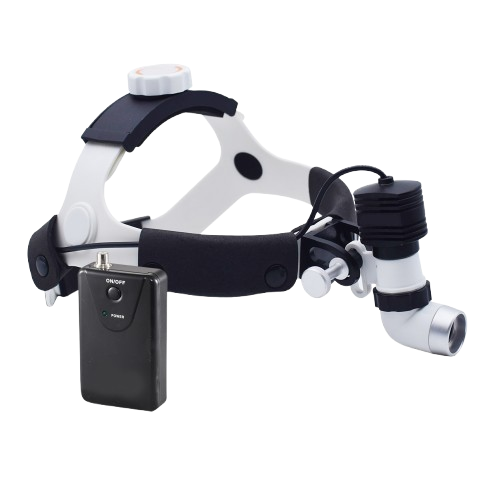
For example, the KD-203AY-7 is a prime example of how lightweight, integrated design can change your workflow. By removing the cable and the battery pack from your belt, you eliminate the drag and pull that distracts you during delicate exams.
5. Clinical Applications: Who Benefits the Most?
Dentistry: Seeing the Unseen
In endodontics and restorative dentistry, the difference between success and failure is often measured in microns. Dentistry LED headlamps are essential for locating hidden root canal orifices (MB2 canals) and detecting hairline fractures that don’t show up on X-rays.
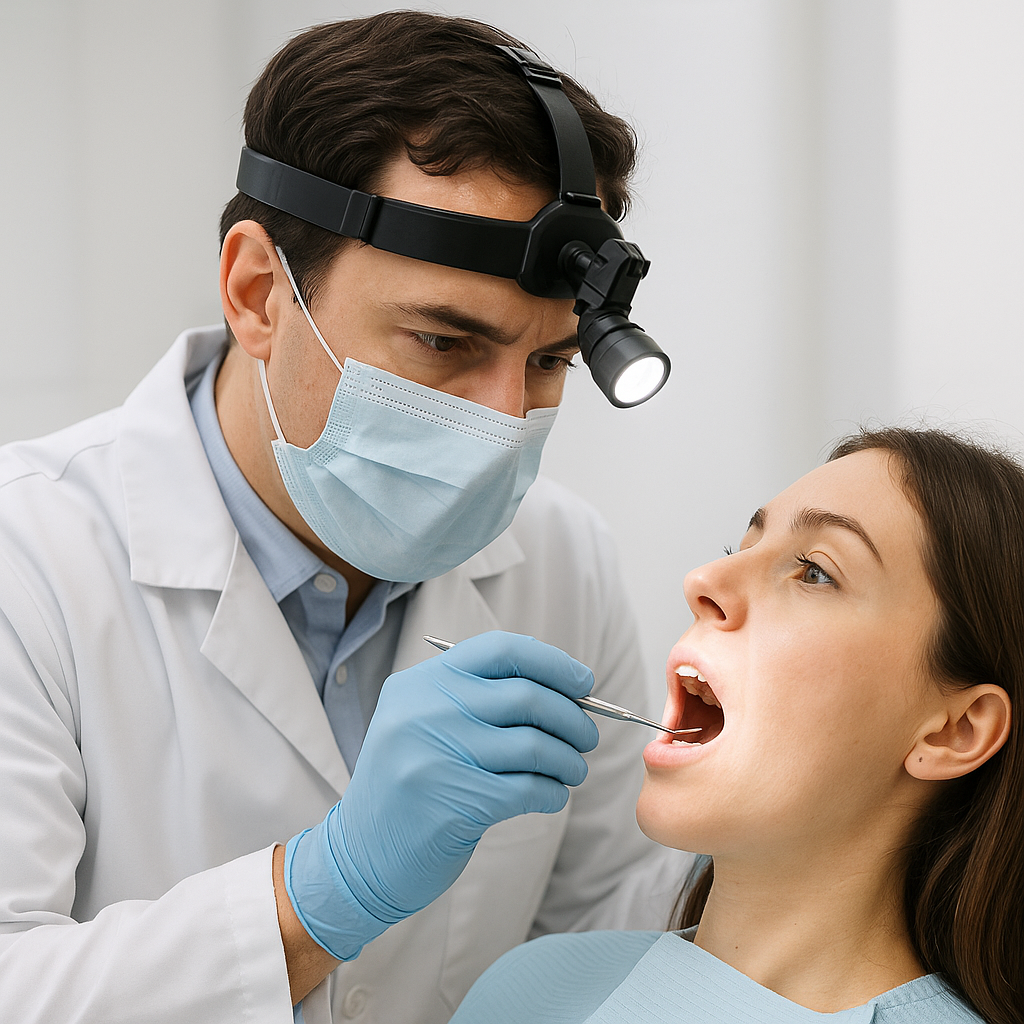
Precision Dentistry: Shadow-free illumination allows for accurate identification of root canals and decay.
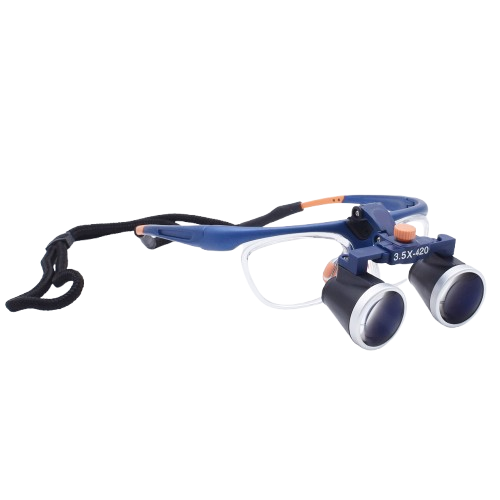
Many dentists opt for models like the KD-205AY-2, which integrate seamlessly with loupes. This combination of magnification and illumination is the ultimate diagnostic tool for finding incipient decay and color-matching composites under neutral daylight (5500K) to avoid aesthetic failures.
Surgical and General Medicine
For ENT specialists, ENT surgical lights must penetrate narrow, deep passages. Whether it’s a nasal endoscopy or a tonsil check, external light sources just hit the rim of the opening. A headlamp throws photons straight down the pipe, revealing obstructions, inflammation, or foreign bodies clearly.
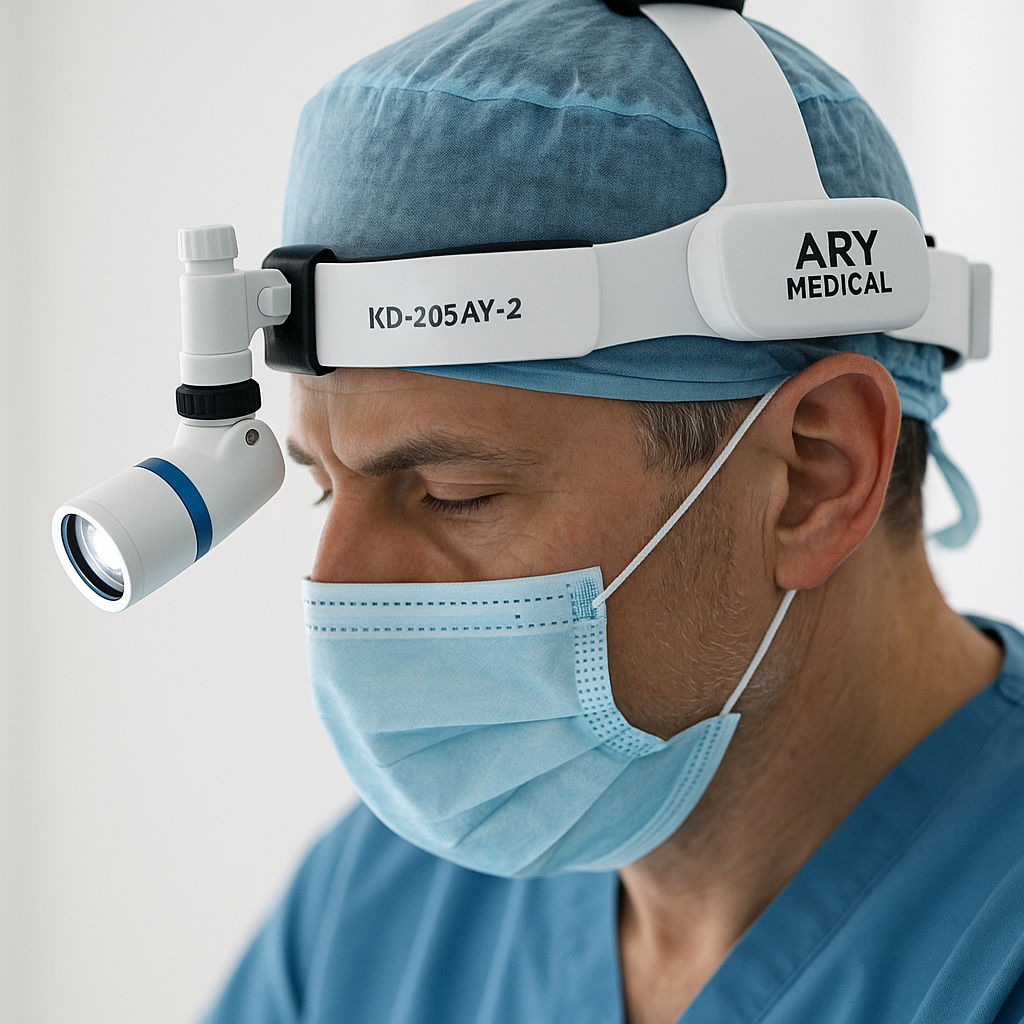
The KD-205AY-2 in Action: Delivering focused, high-intensity light exactly where the surgeon needs it.
In wound care, accurate tissue differentiation provided by high CRI LEDs allows specialists to assess the “reds”—granulation tissue vs. bio-burden—saving time on cultures and speeding up treatment plans.
6. Old School vs. New Tech: LED vs. Halogen
The Heat Problem
Halogen bulbs are inefficient heaters that happen to give off light. They project significant infrared radiation, which can dry out exposed tissue during long surgeries (a risk for poor healing) and make the practitioner sweat. LEDs are “cool” sources. Patient safety illumination dictates that we minimize tissue trauma, and switching to cool LEDs is an easy win there.
The Consistency Factor
Halogen bulbs degrade. As they age, the filament thins, and the light becomes yellower and dimmer. You might not notice it day-to-day, but your diagnostic baseline is shifting. LED headlamps, on the other hand, maintain a consistent lumen output and color temperature for virtually their entire 50,000-hour lifespan. You see the same colors on day 1 and day 1,000.
7. Choosing the Right Tool: A Buyer’s Guide
Not all LEDs are created equal. Here is what you need to look for to ensure you are getting a true medical-grade device.
Adjustable Focus and Spot Size
One size does not fit all. You need a wide flood (80-100mm) for a general skin exam, but a tight, intense spot (20-50mm) for suturing a nerve. Look for headlamps with adjustable focus capabilities. Models like the KD-205AY-1 are workhorses in this regard, offering the versatility to switch between broad examinations and focused surgical procedures with a simple twist.
Battery Life and Weight
If your light dies in the middle of a procedure, it’s useless. Look for lightweight surgical headlamps with Lithium-Ion batteries that offer at least 4-6 hours of runtime at full intensity and “hot-swappable” capabilities. Balanced weight distribution is crucial to prevent the “front-heavy” headache.
Conclusion
The days of squinting under a yellow halogen bulb are over. The correlation between lighting quality and clinical outcomes is undeniable. Advanced LED headlamps offer the CRI, shadow-free visibility, and ergonomic support required to navigate the complexities of modern medicine.
Reducing surgeon fatigue, enhancing tissue differentiation, and eliminating the variables that lead to error aren’t just luxuries—they are necessities.
“Upgrade your view, and you upgrade your care.”
Your Next Step: Take a critical look at your current lighting. Does it show you the truth, or just a version of it? If you aren’t using medical-grade illumination, you are likely missing critical diagnostic details.