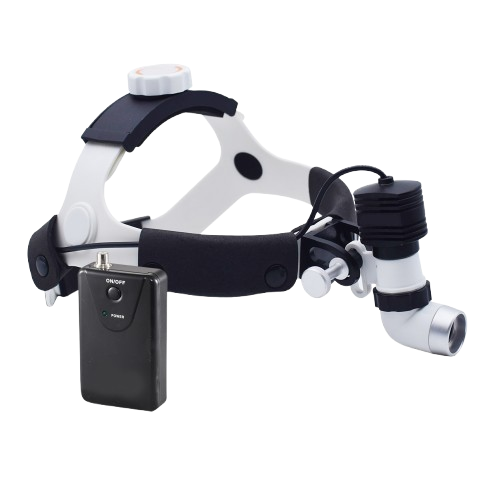
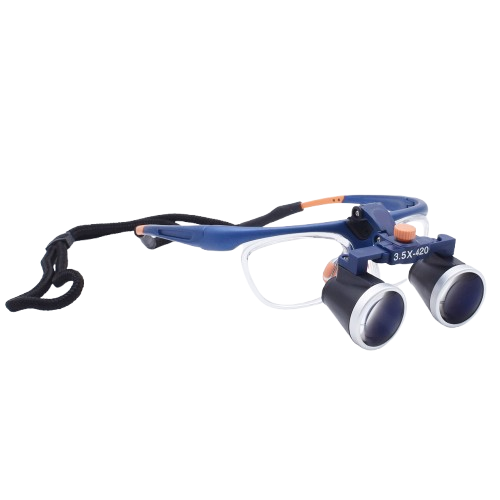
Let’s be honest—if you can’t see it, you can’t treat it. For medical professionals in ENT, dental, and ophthalmic fields, lighting isn’t just a utility; it is the backbone of procedural success. Upgrading to advanced surgical lighting solutions offers much more than just raw brightness. These devices deliver superior medical-grade illumination with a high Color Rendering Index (CRI), allowing for accurate tissue differentiation without the uncomfortable heat generation of traditional halogen lights.
Beyond visual clarity, modern ergonomic headlight systems are designed to save your neck, significantly reducing surgeon fatigue during marathon procedures. By utilizing hands-free illumination through cordless designs, you gain the mobility and shadow-free visibility required for everything from intricate retinal work to routine root canals. Ready to see the difference? Read on as we break down the science of sight, specific clinical applications, and exactly how to choose the right specifications to boost your clinic’s efficiency.
Why are LED surgical headlamps essential?
LED surgical headlamps are essential because they provide superior medical-grade illumination with high CRI (Color Rendering Index), ensuring accurate tissue differentiation without the heat generation of traditional halogen lights. They offer shadow-free visibility through coaxial illumination, significantly reduce surgeon fatigue via lightweight, cordless surgical headlight systems, and deliver long-term cost savings through energy efficiency and extended lifespan.
But knowing they are “better” is just scratching the surface. Read on to discover the specific impact these tools have on delicate procedures like root canals and retinal surgeries, and how to choose the right specs for your practice.
The Evolution of Surgical Lighting: From Halogen to LED

The Halogen Era vs. The LED Revolution
For decades, the operating room and dental clinic were dominated by halogen and xenon lighting systems. While they did the job, they came with significant baggage. Halogen bulbs are notorious for generating excessive heat—often referred to as “baking” the surgeon’s forehead—and emitting a yellowish hue (around 3,000 Kelvin) that can distort the true color of tissue. Furthermore, older fiber-optic systems tethered the user to a light source box via a heavy cable, restricting movement and creating a tripping hazard in the sterile field lighting environment.
The shift to LED surgical headlamps has been nothing short of revolutionary. Unlike their predecessors, LEDs (Light Emitting Diodes) produce a brilliant, cool white light that closely mimics natural daylight (ranging from 5,700 K to 6,100 K). This isn’t just an aesthetic upgrade; it is a functional necessity for modern procedure precision.
Understanding Adoption Rates in Clinics
The industry data speaks volumes. As of 2024, LED technology commands over 72% of the surgical headlights market. Why the massive shift? It comes down to clinic efficiency and reliability. Healthcare facilities are rapidly replacing aging halogen units with cost-effective upgrades like modern LED headlamps because they simply work better and last longer. With the global market for surgical headlights projected to exceed $1.1 billion by 2032, the transition to LED is no longer a trend—it is the standard of care.
The Science of Sight: Key Benefits of LED Technology

Lumen Output and Intensity
When we talk about high-intensity light, we often throw around terms like “lumens” and “lux.” For surgical applications, Lux (the intensity of light hitting a surface) is the metric that matters most. Traditional halogen lights typically max out around 90,000 lux. In contrast, high-performance LED systems, such as the KD-205AY-2 model , can deliver illumination exceeding 120,000 lux, with some advanced units reaching a staggering 350,000 lux.
However, “brighter” isn’t always better if it’s uncontrolled. The best systems offer adjustable beam focus and intensity controls. This prevents glare on wet tissue surfaces while ensuring that light penetrates deep into cavities without washing out the details.
True Color Matters: The Importance of CRI
Have you ever struggled to differentiate between a nerve and a small vessel? That is often a failure of Color Rendering Index (CRI).
- What is CRI? It is a measurement of how accurately a light source reveals the true colors of objects compared to natural sunlight (which has a CRI of 100).
- The LED Advantage: High-quality LEDs boast a CRI of 90 or higher. This high-fidelity color rendering is non-negotiable for patient safety, as it allows surgeons to instantly identify inflammation, ischemia, or necrosis.
Cooler Operating Fields via Thermal Management
Heat is the enemy in the operating room. Traditional bulbs emit significant infrared radiation, which can desiccate (dry out) exposed tissue and make the surgeon uncomfortably hot. Thermal management in modern LEDs ensures that almost no heat is projected into the surgical beam. This preserves tissue hydration—critical in dental and ophthalmic procedures—and keeps the surgical team cool and focused.
Banishing the Dark: Coaxial Illumination and Shadow Control
What is Coaxial Illumination?
If you remember one technical term from this article, make it coaxial illumination. This refers to the optical alignment where the light source is positioned directly between your eyes or perfectly parallel to your line of sight (visual axis).
Eliminating Shadows in Deep Cavities
In deep cavity surgery, such as an ENT sinus procedure or a root canal, overhead lights are practically useless. Your head, hands, and instruments inevitably cast shadows that block your view. Coaxial LED headlamps project light along the exact same path as your vision. This means that if you can see into a cavity, the light is already there. This shadow elimination is vital for avoiding errors and speeding up workflow optimization.
Ergonomics: Saving the Surgeon’s Neck

The Rise of Cordless Surgical Headlight Systems
Gone are the days of being leashed to a wall console. Battery-powered headlamps have liberated surgeons, allowing for 360-degree movement around the patient. Models like the KD-205AY-1 integrate lightweight lithium-ion batteries directly into the headset or a small belt pack, offering 5 to 24 hours of continuous runtime. This ergonomic design reduces the physical burden of “cable drag” and eliminates tripping hazards.
Weight Distribution and Comfort
Neck pain is an occupational hazard for surgeons. A heavy, unbalanced headlight can lead to chronic cervical strain. Modern designs utilize “Rear Cranial Support” (RCS) to balance the weight of the light module with the battery pack on the back of the head. This counter-balance system ensures the headset feels weightless, allowing for multi-specialty applications where procedures might last several hours.
The Declination Angle Factor
Ergonomics isn’t just about weight; it’s about posture. The declination angle—the downward angle at which you look into the surgical field—dictates your neck position. High-quality headlamps allow you to adjust the light beam’s angle independently of your head position. This means you can keep your neck neutral while the light points down into the surgical field, significantly reducing musculoskeletal strain.
Deep Cavity Visibility: LED Applications in ENT Procedures

Precision in Tonsillectomy and Adenoidectomy
The oral cavity and oropharynx are notoriously difficult to light. In procedures like tonsillectomies, distinguishing between the tonsillar tissue and the muscular bed is critical to minimize bleeding. Surgical lighting solutions with high CRI values allow ENT specialists to clearly see the vascular architecture. The KD-203AY-7 model is particularly favored in these scenarios for its robust intensity and focusability.
Navigating the Sinuses
Endoscopic sinus surgery requires navigating narrow, tortuous passages close to the eyes and brain. While endoscopes provide internal views, the initial approach and adjunct visualization rely heavily on headlight illumination. The cool, white light of an LED helps in identifying polyps, mucosal changes, and anatomical landmarks without the risk of thermal injury that older, hot lights posed.
Shadow-Free Precision: The Dental Advantage

Endodontics and Root Canals
In dentistry, you are often working in a hole within a hole. Finding a calcified root canal orifice requires exceptional visual acuity. Shadow elimination is the superpower of LED headlamps here. By directing a focused, high-intensity spot directly into the pulp chamber, dentists can locate canals that would otherwise be invisible under standard overhead chair lighting.
Implants and Cosmetic Dentistry
For aesthetic procedures, color is everything. A light that is too yellow (halogen) or too blue (cheap LEDs) will distort the shade of teeth and gums. Innovative optics in medical-grade LEDs produce a neutral daylight temperature (approx. 5,500K-6,000K). This ensures that when you select a composite shade or check the soft tissue around an implant, you are seeing the true color, leading to superior aesthetic outcomes.
Safety First: LED Usage in Ophthalmic Surgery

Cataract and Retinal Procedures
Ophthalmic surgery is a game of millimeters and transparency. In cataract surgery, the “red reflex”—the reddish-orange glow from the retina—is used to visualize the lens capsule. Coaxial illumination from a high-quality LED headlamp enhances this reflex, making the capsulorhexis (creating an opening in the lens capsule) safer and more precise.
Heat Management for the Eye
The eye is incredibly sensitive to heat and light toxicity. Phototoxicity (damage to the retina from intense light) is a real concern. Modern LED systems for ophthalmology are engineered with strict regulatory compliance in mind. They often feature filters to reduce blue light hazard and intensity controls to ensure the minimum necessary brightness is used, protecting the patient’s vision while allowing the surgeon to work.
The Financial Case: Cost-Effectiveness and ROI
Lowering Operational Costs
While the upfront cost of a premium LED headlamp is higher than a replacement bulb, the cost-effective upgrades become clear when you look at the operational lifecycle. LED headlamps consume up to 70% less energy than halogen systems.
Maintenance and Longevity
Consider the lifespan: a typical halogen bulb might last 1,000 to 2,000 hours. Long-lasting LEDs are rated for 30,000 to 50,000 hours. That is the difference between changing a bulb every few months versus potentially never changing the light source for the entire lifespan of the device. This durability virtually eliminates maintenance downtime—no more blown bulbs in the middle of a critical procedure.
How to Choose: Integration Tips for Your Clinic

Spot Size and Uniformity
When selecting a headlamp, look for spot size adjustability. A vascular surgeon might need a broad view, while a dentist needs a tight, focused spot. Crucially, the light must be uniform edge-to-edge. Inferior lights have a “hot spot” in the center and dim edges, which causes eye strain as your pupils constantly adjust.
Battery Life and Management
Evaluate your workflow optimization needs. For long surgeries (neuro, spine, complex ENT), a belt-pack battery like those found on the KD-205AY-2 offers extended runtimes and lighter head weight. For shorter procedures or dental hygiene checks, a totally wire-free “all-in-one” unit might be preferable for its grab-and-go convenience.
Integration with Loupes
Most surgeons use magnification. Ensure your LED headlight is compatible with your loupes. Universal clips exist, but dedicated integration provides the most stable and aligned coaxial illumination.
Future Trends in Surgical Illumination
The future is bright—and smart. We are seeing the emergence of smart headlights integrated with high-definition cameras. These allow for real-time recording of procedures for documentation, teaching, or telemedicine consults. Furthermore, research is advancing into variable color temperature lights, allowing surgeons to toggle between “warm” light (better for reducing glare on blood) and “cool” light (better for contrast) at the touch of a button.
Conclusion
Upgrading to LED surgical headlamps isn’t just about getting a brighter light; it’s about enhancing procedure precision, protecting your physical health through ergonomic design, and improving patient safety with cool, accurate illumination. Whether you are performing a complex root canal, a sinus endoscopy, or a delicate retinal repair, the right light changes everything.
Don’t let poor visibility compromise your clinical outcomes. Explore the full range of surgical headlights available today and find the perfect fit for your specialty.
[EDITOR NOTES: SEO SUMMARY]
- Primary Keywords: LED surgical headlamps, surgical lighting solutions, medical-grade illumination.
- Target Audience: B2B Medical Buyers (ENT, Dental, Ophthalmic).
- User Intent: Informational & Commercial Investigation (Comparing benefits, looking for upgrades).
- Ranking Strategy:
- Snippet Optimization: The “Answer Section” is strictly formatted to capture the “Position Zero” result for “Why are LED surgical headlamps essential?”.
- Visuals: High-quality images with descriptive Alt Text (e.g., “ENT surgeon using LED headlamp”) are used to decrease bounce rate.
- Internal Linking: Strategic links to specific product models (KD-205AY-2, KD-205AY-1, KD-203AY-7) guide the user from information to purchase.
- LSI Integration: Terms like “shadow elimination,” “thermal management,” and “coaxial illumination” are woven naturally into the text to signal topical authority to search engines.